
Louisville Court Docket Searches
Louisville’s Mayor’s Court comes first for local matters. It handles City ordinance violations, including traffic tickets written under city rules. What it does not offer is a CJIS-style database. You cannot type a name and pull a case file. Instead, a Louisville court docket search starts with whatever your notice shows: the court name, the citation, a case number if one is printed, and the court date. The Mayor’s Court can confirm its own record and tell you the session route. If the matter belongs to Canton Municipal Court, skip the Mayor’s Court calendar. Use the CMC court filter inside Stark CJIS instead.
The Mayor’s Court calendar serves one purpose. It lists court-session events, not a full chronological register of a named case. The city-linked nCourt service is separate again; it processes payments, nothing more. Treat those three functions as distinct. When a date is unclear or a record is contested, call the Mayor’s Court with the citation or case information you have. That direct contact beats guessing.
- Read the Louisville citation or notice for the court, court date, and case or citation number.
- Use the Louisville Mayor’s Court calendar to identify a court-session event when relevant.
- Contact Louisville Mayor’s Court for a local case, court record, payment-plan, or contest question.
- Use CMC-filtered CJIS only when the Louisville matter is routed to Canton Municipal Court.
- Confirm the current Louisville setting with the court before appearing.
Note: The public calendar tracks Louisville sessions. For the record of a specific case, the court clerk is the route.
Louisville Mayor’s Court Record Route
Louisville Mayor’s Court is active, but it is not a court of record. You will find it at the Louisville Constitution Center. The address is 1022 W. Main St., Louisville, Ohio 44641. The public number is 330-875-2871, and the fax is 330-875-1820. Its official page lists weekday hours plus a west-side entrance. This court adjudicates City ordinance violations, traffic tickets among them. So the local record route runs through a phone call or a visit and the session calendar. It does not run through a municipal-court docket screen you might assume exists.
The official Louisville Mayor’s Court directory lays out the court’s local contact details.
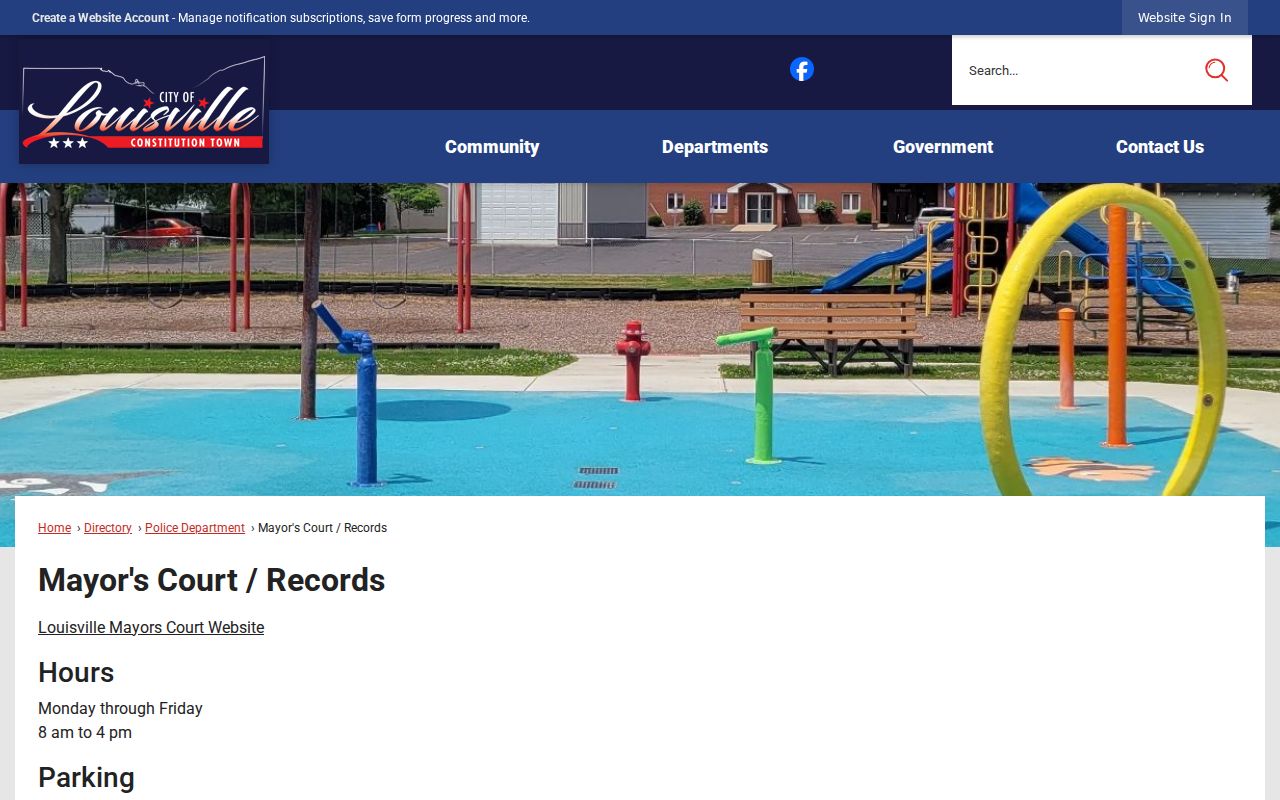
Use the directory to route a Louisville matter straight to the Mayor’s Court when the citation points to a City ordinance violation.
Remember that Mayor’s Courts are not courts of record. A jury demand, a transfer for a serious offense, or an appeal follows the municipal or county court route, so check the exact court named in the record before you act.
Inside the Louisville Municipal Court
There is no Louisville Municipal Court. The city keeps its Mayor’s Court for local City-ordinance cases. That distinction has teeth. A Mayor’s Court calendar, a clerk contact, and a violations bureau process are not the same thing as a CMC case detail. You cannot swap one for the other. Canton Municipal Court does list Louisville within its district. Even so, a City ordinance violation or a local traffic ticket can begin at the Mayor’s Court. The notice itself tells you which channel applies.
The official Louisville Mayor’s Court page is the source for the court’s session, payment, and contact information.
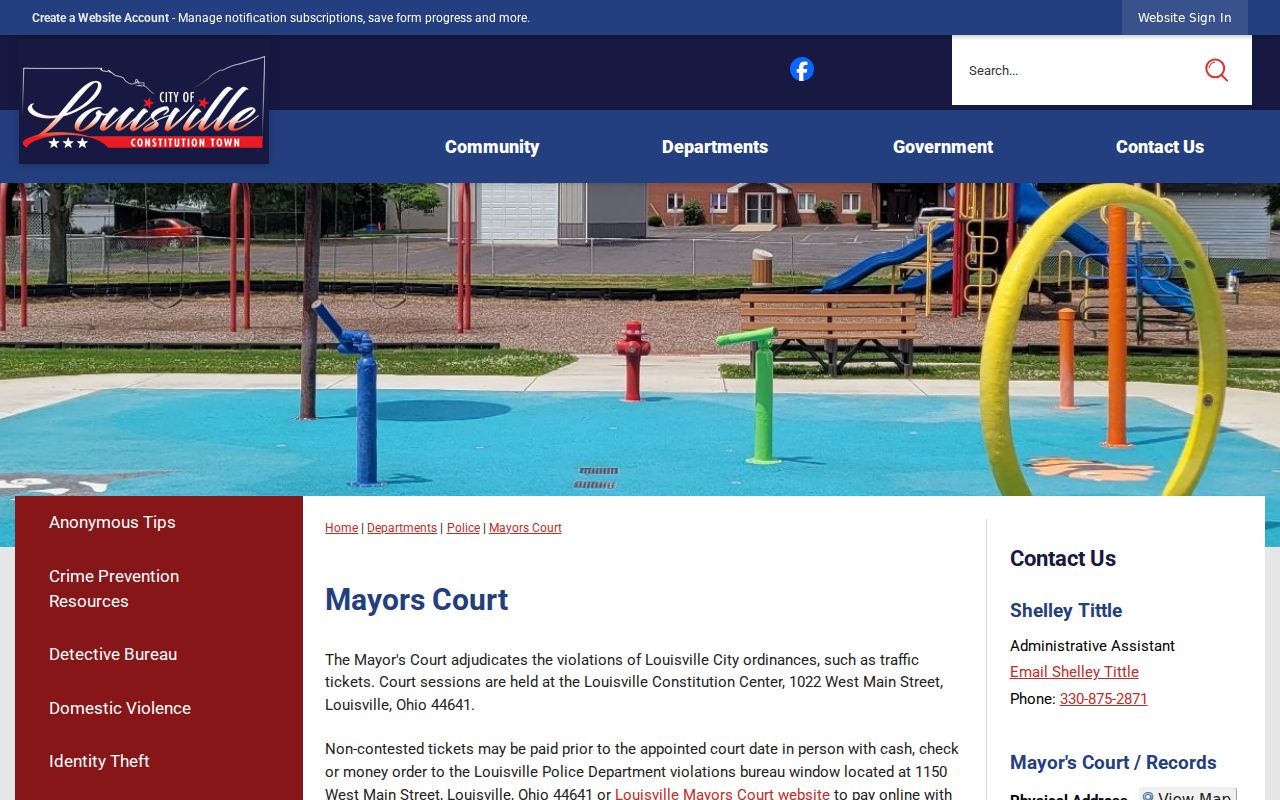
The routing rule is simple. Use the Mayor’s Court channel for a Louisville local matter, then confirm any transfer or appeal with the clerk responsible for it.
Louisville Mayor’s Court
Constitution Center
1022 W. Main St., Louisville, OH 44641
Mayor’s Court: 330-875-2871
Louisville nCourt Payment Records
The city-linked Louisville nCourt page exists for one job: paying by card online. It is not a public case-search form. It exposes no verified docket fields, no case register, nothing of that kind. Calling a payment screen a court docket would mislead you. It also cannot replace the Mayor’s Court clerk. If you want a payment plan or intend to contest the matter, you must appear at Louisville Mayor’s Court. Never assume the online payment resolves it.
Louisville’s city-linked nCourt service shows the payment channel itself.
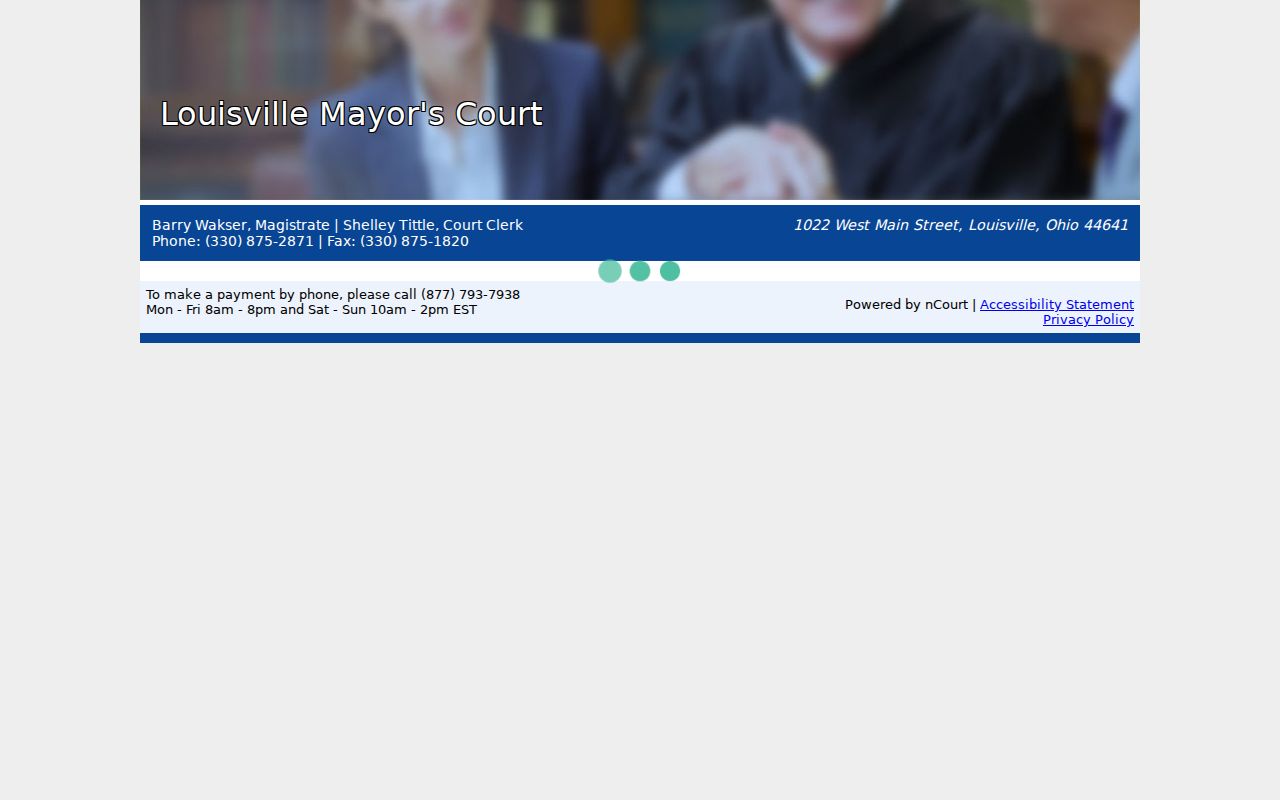
The nCourt page belongs to a payment route, period. It offers no Louisville public court docket search and no case-detail record.
For a non-contested ticket, the City also names an in-person option. That option sits at the police violations-bureau window. The court date and the current Mayor’s Court instruction decide whether payment is still available.
Note: Louisville nCourt can take a payment. But the Mayor’s Court decides whether a ticket requires an appearance.
Finding Louisville Court Dates
Check any Louisville court date three ways: the citation, the official Mayor’s Court session calendar, and confirmation from the court itself. The calendar gives you Start Date, End Date, Word or Phrase, Show Past Events, a calendar selector, and Search. Those fields locate listed City events. Mayor’s Court sessions are among them. They do not run a named-case docket query. And a citation may still require a particular appearance. The general calendar can show several sessions scheduled in the meantime.
| Date | The Louisville date printed on the ticket or confirmed by the Mayor’s Court. |
|---|---|
| Time | The stated Louisville court-session or appearance time. |
| Location | The Constitution Center or another Louisville location named by the court. |
| Court | Louisville Mayor’s Court or the different court printed on the notice. |
| Setting Type | A Louisville court session, appearance, contest, or other event identified by the record. |
If a Louisville event is cancelled or moved, confirm it with the court. A past calendar item does not prove that an individual case is still set for that date.
Louisville Mayor’s Court Calendar
Start with the Louisville Mayor’s Court calendar when you need a session date. The City's tool lets you set a start and end date, type a word or phrase, include past events, and pick a calendar such as Mayor’s Court. It answers one question. A Louisville court session's date and time. It does not search a person’s case history. Nor does it show a court balance, charge, or full register of actions. So when a Louisville ticket demands a current answer, call the court rather than lean on the calendar.
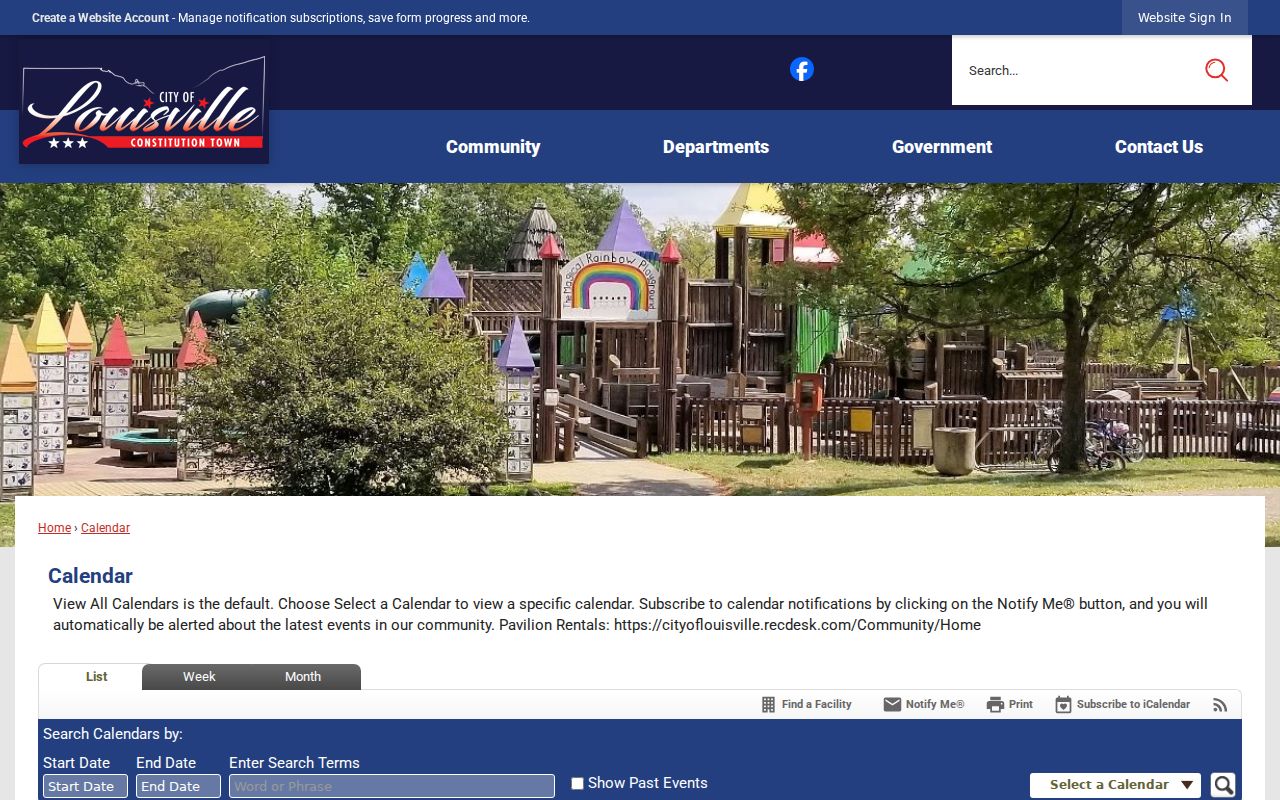
Think of the calendar as a map of sessions, not cases. To confirm a Louisville case’s actual date and record, the Mayor’s Court is still the place to call. Note: A Louisville calendar result names a City event, while the citation and the court itself confirm the appearance a specific case requires.
Louisville Traffic Ticket Lookups
A Louisville traffic ticket runs through the Mayor’s Court. It can also travel the violations-bureau channels the City describes. If you do not plan to contest the ticket, you can pay before your court date at the police violations-bureau window at 1150 W. Main St., with cash, check, or money order, or through the linked payment service. Want a payment plan or a hearing? That takes an appearance at Louisville Mayor’s Court. Watch the court date printed on the ticket. The waiver privilege ends at 5 p.m. that day.
Louisville’s code lays out an eligible waiver route where the clerk records the case number, the offense, the penalty, and a “Disposed of” notation. Confirm current amounts with the court, since posted schedules go stale. For the wider picture, the Stark County traffic court page covers countywide court-record context. Just don’t swap another municipal court’s waiver procedure for Louisville’s own Mayor’s Court directions.
Louisville Violation Bureau Dockets
Two Louisville offices play separate roles here. The Police Department Violations Bureau takes an eligible non-contested payment before the date on the ticket. Mayor’s Court handles a contest or a payment plan. When a Louisville waiver is granted, the clerk records the case number, the offense, and the penalty, then marks it “Disposed of.” That notation means a waiver was processed and logged. It does not turn the public calendar or the nCourt payment screen into a full Louisville docket search.
| Louisville route | Purpose |
|---|---|
| Police Violations Bureau | Accepts an eligible Louisville non-contested payment before the listed date. |
| nCourt | Provides Louisville’s city-linked online payment path. |
| Mayor’s Court | Handles a Louisville contest, payment plan, and court-session matter. |
| Session calendar | Shows Louisville court-session events, not a case-register search. |
Verify any current amount, waiver eligibility, or appearance requirement through the City’s court channel. Published schedules are dated and tied to specific routes. Note: A Louisville waiver record is court action, while the City calendar and the online payment path each answer a different question.
How Louisville Cases Reach the County
Louisville Mayor’s Court is not the end of the line for every case. A jury demand, a transfer for a serious offense, or an appeal moves along the municipal or county court pathway that fits. Canton Municipal Court lists Louisville within its stated district. Even so, confirm the exact filing with the clerk. Do not guess from a city calendar. If a felony case develops later, it can follow the Stark County Court of Common Pleas path. That happens after the proper preliminary process plays out.
Docket flow: Louisville Mayor’s Court › Canton Municipal Court or Stark County Courts › Stark County Court of Common Pleas
So the record you need depends on which court and stage the notice names. The Stark County Clerk of Courts links to the county CJIS path. The Stark County court docket home walks through the county court structure. Both routes complement the Louisville Mayor’s Court contact. They do not replace it.
Louisville Court and City Records
Don’t confuse Louisville City public records with Louisville Mayor’s Court records. They live in different channels. The City records page posts copy charges for City material. A single-sided copy costs 5 cents once a request exceeds $1. A double-sided copy costs 7 cents. Actual duplication, media, and mailing costs can apply too. Those figures belong to City administrative records alone. Quoting them as Mayor’s Court certified-copy fees would mislead. The court owns the court record; the City records channel owns City administrative material.
For local context, the U.S. Census Bureau’s 2020 Decennial Census description explains what the census covers.
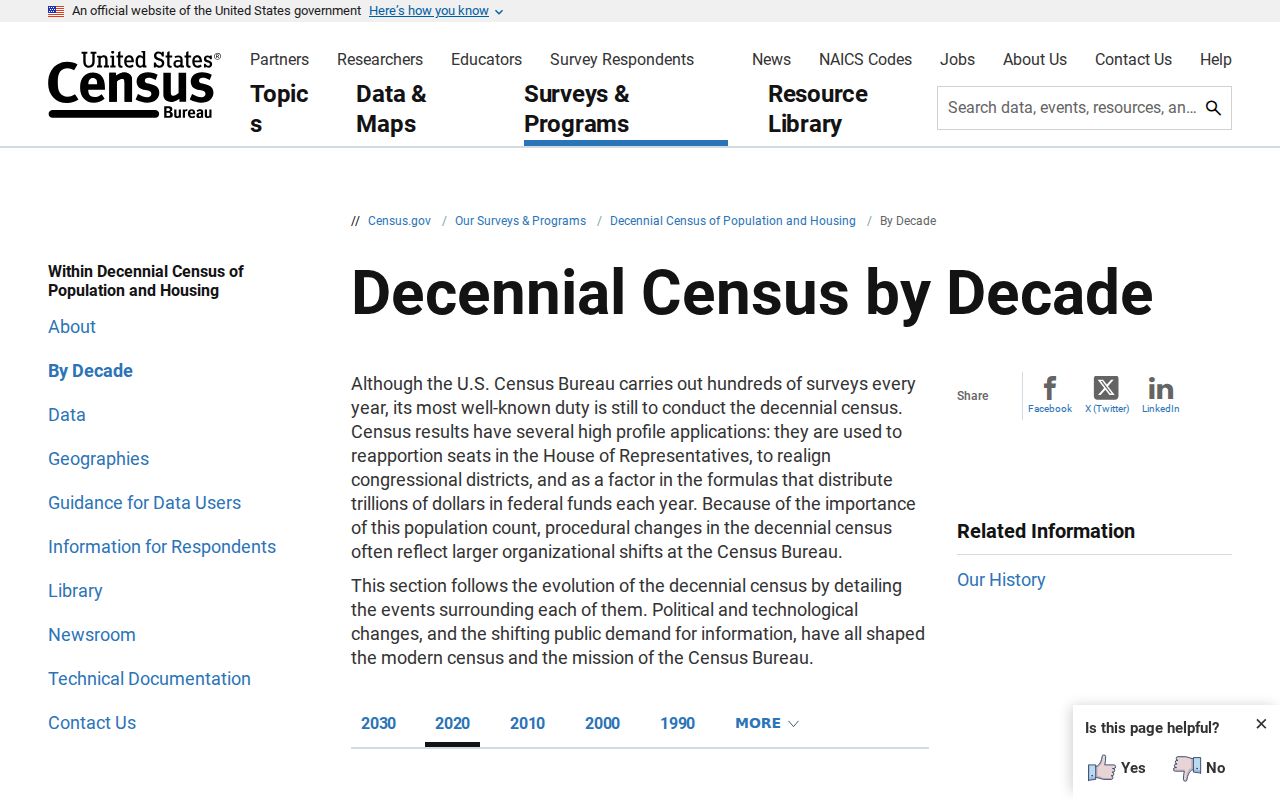
City size and setting never change record custody. Louisville administrative records and Mayor’s Court records answer to different request channels, so pick the office that actually holds what you want.
Who Can See Louisville Court Records
Ohio rules govern who may see Louisville court records. Public access is the presumption. Remote access, though, need not include every document or attachment. Protected identifiers, sealed matters, and juvenile material can all place limits on a Louisville court record. A search that turns up nothing may simply mean that. The Mayor’s Court offers no public named-case search portal. Or the case may sit in Canton Municipal Court or a county court instead.
Key Rules:
Ohio Superintendence Rule 11.10 presumes public access to court records, subject to the governing rules and statutes.
Rules 11.11 through 11.14 address direct access, remote-access limits, protected information, and restrictions.
Ohio Revised Code 149.43 is Ohio’s Public Records Act for public-office records.
Send a court record request to the court itself. Send a City request only when the material is administrative. A Louisville court case record never travels through the City channel.
Louisville Court Record Channels
Each Louisville channel has its own job. The Mayor’s Court handles contact and sessions. The violations bureau takes eligible payments, and nCourt processes online payment. Canton Municipal Court may be the next court for a Louisville matter in its district, while Common Pleas becomes the county record path when a case climbs that high. Federal court records sit apart from all of these. The name of the court on the Louisville notice is the reliable way to pick a channel.
For contrast with Louisville’s local routes, the Northern District of Ohio contact page explains how to reach the federal court.
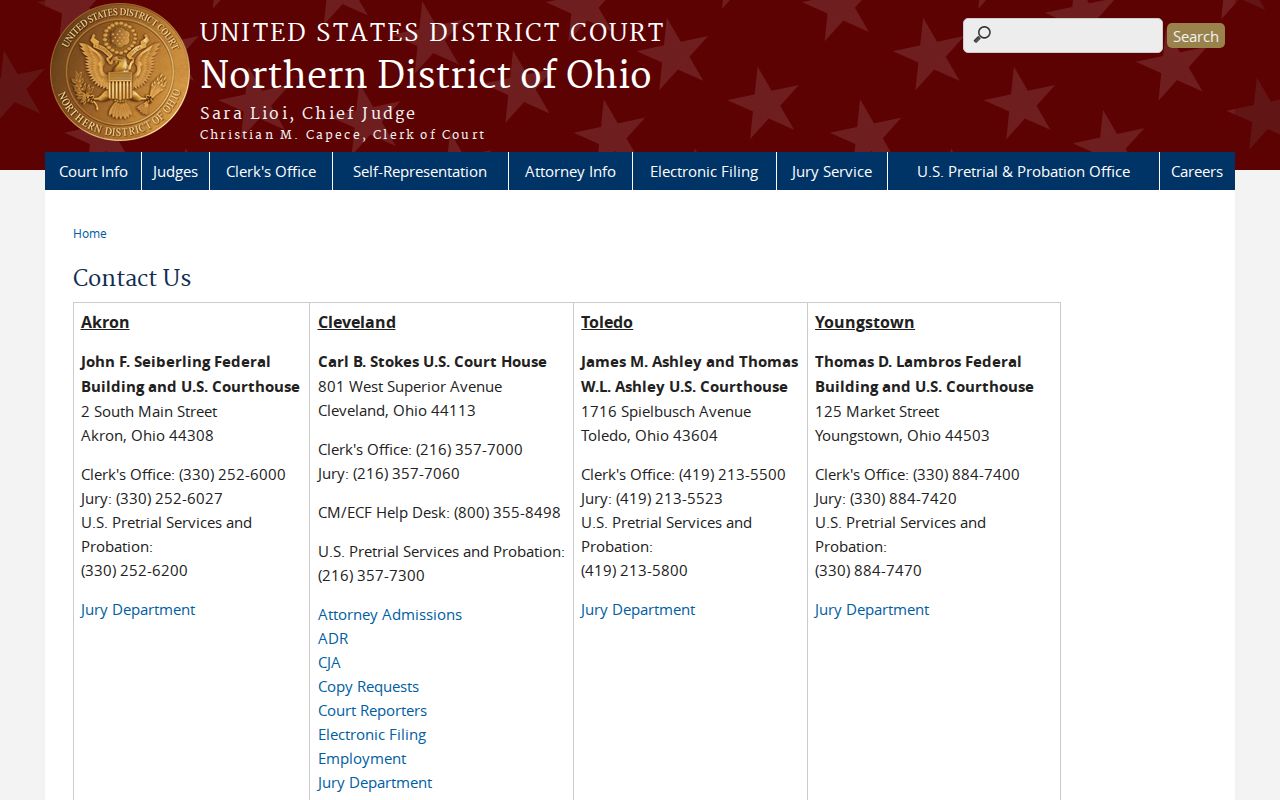
A federal court is the wrong place for a Louisville docket search. Local records sit with Louisville Mayor's Court, Canton Municipal Court, or the Stark County courts, so start with whichever one sent the notice. That notice matters more than anything else on the page.
A good request tells the clerk the court named on the notice, the citation or case number, the court date, and the exact record you need. With those details, Louisville Mayor's Court can tell a calendar question apart from a payment, a waiver, a contest, or a copy request. Was the Louisville matter transferred? Then send your request to the court named in the transfer record instead of mailing the same ask to every local channel.